Ibuprofen vs. acetaminophen: which one to take, and what each label allows
Both sit on the same shelf and neither label picks for you. The choice turns on four questions — and the two daily ceilings are not the same number.
Ibuprofen and acetaminophen are the two pain relievers sold over the counter in the United States, and they are not interchangeable. Ibuprofen (sold as Advil and Motrin) is a nonsteroidal anti-inflammatory drug, or NSAID; acetaminophen (sold as Tylenol) is an analgesic and antipyretic that is not an NSAID and carries no anti-inflammatory claim on its label. The difference that matters at the shelf is not which one works — both labels list the same aches — but which ceiling you are working against, and which organ pays if you cross it: ibuprofen’s is the stomach and the kidney, acetaminophen’s is the liver. Ibuprofen’s over-the-counter ceiling is 1,200 mg in 24 hours; acetaminophen’s is 4,000 mg from all sources, and the extra-strength 500 mg box caps you lower still, at 3,000 mg.
The rest of this piece is the decision, in the order a person actually makes it.
What is the difference between ibuprofen and acetaminophen?
Ibuprofen is an NSAID — the same class as naproxen (Aleve) and aspirin. It works by blocking the body’s production of the substances that cause pain, fever and inflammation, which is why prescription-strength ibuprofen is labeled for arthritis with its swelling and stiffness. Acetaminophen is in a class of its own; MedlinePlus describes it as an analgesic and antipyretic that “works by changing the way the body senses pain and by cooling the body,” and its Drug Facts box lists exactly two purposes: pain reliever, fever reducer. That is the practical difference people are reaching for when they say ibuprofen is “the one for inflammation.”
Both boxes, though, list the same aches. The Advil label and the Tylenol label each say “temporarily relieves minor aches and pains due to” headache, toothache, backache, menstrual cramps, the common cold, muscular aches and minor pain of arthritis. The labels do not tell you which to choose. They tell you what each one costs you.
| Ibuprofen | Acetaminophen | |
|---|---|---|
| Drug class | NSAID | Analgesic / antipyretic, not an NSAID |
| Adult OTC dose | 200 mg; 1 tablet every 4–6 hours, 2 if one does not work | Extra Strength 500 mg: 2 caplets every 6 hours. Regular Strength 325 mg: 2 tablets every 4–6 hours |
| Label ceiling, 24 hours | 6 tablets = 1,200 mg, unless a doctor directs otherwise | 6 caplets extra strength = 3,000 mg; 10 tablets regular strength = 3,250 mg, unless a doctor directs otherwise |
| Federal adult ceiling, all sources | — | 4,000 mg per 24 hours |
| Organ at risk | Stomach and gastrointestinal bleeding; kidney; heart | Liver |
| Pregnancy | Avoid at 20 weeks or later unless a clinician directs it | The OTC option pregnancy guidance has treated as first-line |
| Children | Label sends you to a doctor under 6 months | Age- and weight-based dosing on the children’s label |
| Stop and ask, adults | Pain beyond 10 days, fever beyond 3 | Pain beyond 10 days, fever beyond 3 |
What are the maximum daily doses, and why don’t the numbers match?
Because there are two different kinds of number on the box, and they are not the same kind of claim.
The product ceiling is what the manufacturer’s label permits for that specific box: 6 tablets of 200 mg ibuprofen, 6 caplets of 500 mg acetaminophen, 10 tablets of 325 mg acetaminophen. Each carries the qualifier “unless directed by a doctor,” which is what makes the number a labeling limit rather than a law of physiology.
The ingredient ceiling is what FDA states for the drug as a whole: for acetaminophen, “the maximum total amount of acetaminophen taken in 24 hours should not be more than 4,000 mg for adults and children 12 years of age and older.” That figure counts every source — the prescription combination product, the cold-and-flu syrup, the tablet you took an hour ago.
So an extra-strength Tylenol box that caps you at 3,000 mg is not contradicting FDA’s 4,000 mg. It is leaving margin. The 4,000 mg figure is the point past which FDA’s own labeling says severe liver damage may occur; 3,000 mg is where that product’s maker chose to stop you. When the two numbers differ, the smaller one is your limit.
The acetaminophen arithmetic is the one people get wrong, for a reason that is not stupidity: the ingredient is in more than 600 prescription and nonprescription products, and prescription labels often abbreviate it. FDA lists APAP, Acetaminoph, Acetaminop, Acetamin and Acetam as forms that appear on container labels. The label rule that requires the word on the front of a combination box — and the prohibition on taking two acetaminophen products at once — is the subject of this site’s piece on duplicate active ingredients.
Which one should you take?
Four questions, in this order. The first one that produces a “yes” decides it.
- Is there a reason ibuprofen is unsafe for you? Stomach or intestinal bleeding, an ulcer history, kidney disease, heart failure, uncontrolled high blood pressure, or age 60 and over with any of those. If yes, acetaminophen is the default and the conversation is with a pharmacist.
- Are you pregnant, or might you be? At 20 weeks or later, ibuprofen is off the table unless a clinician directs it. Before 20 weeks, ask.
- What else are you taking? A daily low-dose aspirin, warfarin or another anticoagulant, a steroid, an SSRI antidepressant, a diuretic, or an ACE inhibitor or ARB for blood pressure — each of these changes the answer. The blood thinner, the steroid, the diuretic and the other NSAID are named on the labels themselves; the SSRI and the blood-pressure drugs appear in MedlinePlus’s precautions for each drug.
- Is the pain inflammatory? A sprain, a strained muscle, arthritis, a swollen joint, menstrual cramps. If it is, and questions 1 through 3 came back clean, ibuprofen is the one whose label covers inflammation; acetaminophen’s does not claim to.
If none of that narrows it, the honest answer is that for a routine headache either will do, and the tie-breaker is your own history rather than the drug’s reputation.
When is ibuprofen the wrong choice?
Ibuprofen’s label is unusually explicit, and its warnings are worth reading as a list of disqualifiers rather than fine print:
- Stomach bleeding. The label warns that the chance is higher if you are 60 or older, have had ulcers or bleeding problems, take a blood thinner or a steroid drug, take other NSAIDs, have three or more alcoholic drinks every day, or take more or for longer than directed. The signs it tells you to act on: feeling faint, vomiting blood, bloody or black stools, stomach pain that does not get better.
- Heart attack and stroke. “NSAIDs, except aspirin, increase the risk of heart attack, heart failure, and stroke,” the label says. The risk is higher with more than the directed dose or longer than the directed time, and the label rules the drug out right before or after heart surgery.
- Kidney. NIDDK puts the mechanism plainly: NSAIDs “can damage your kidneys if you take them for a long time, or lead to acute kidney injury if you take them when you are dehydrated or your blood pressure is low.” That is why the label asks about kidney disease and diuretics, and why a stomach bug with vomiting and a headache is a bad moment to reach for ibuprofen.
- Asthma. The label asks about asthma before use, and lists asthma among the conditions that require a doctor’s sign-off. People with aspirin-sensitive asthma are the specific concern.
- Pregnancy at 20 weeks or later. Covered below.
When is acetaminophen the wrong choice?
- Liver disease, or three or more drinks a day. The label’s first question is liver disease; the liver warning names three or more alcoholic drinks daily as a trigger for severe damage.
- Warfarin. Both the acetaminophen label and the labeling rule ask you to check with a doctor or pharmacist first; acetaminophen can affect clotting measures in people on warfarin.
- Anything else containing acetaminophen. Not “preferably not” — the label says “Do not use with any other drug containing acetaminophen (prescription or nonprescription).” If you cannot tell whether a product contains it, the label’s own instruction is to ask a doctor or pharmacist.
- More than 10 days for pain, or 3 days for fever, in adults. Past that, the label stops advising and starts sending you to a clinician — which is the correct reading whether or not the pain is better.
One asymmetry worth naming: acetaminophen’s damage is quieter than ibuprofen’s. Stomach bleeding tends to announce itself; liver injury from a slow overdose may not, which is why the label treats the 24-hour total as the thing to count rather than the way you feel.
Can you take both?
The two drugs do not compete for the same ceiling, and a manufacturer already sells the combination: Motrin Dual Action with Tylenol puts 250 mg of acetaminophen and 125 mg of ibuprofen in one tablet, dosed two tablets every 8 hours, capped at 6 tablets in 24 hours. So the combination is not inherently forbidden — it is labeled, dosed and warned as a unit.
What the labels do not provide for is you building that combination at home from two boxes. Both warn about combining with another product containing their own ingredient — the acetaminophen label prohibits it outright, the ibuprofen label sends you to a doctor or pharmacist first — and neither tells you how to stagger two drugs with different dosing intervals and two separate ceilings. If you are considering alternating them — a practice people commonly describe for fever — the person to ask is a pharmacist or clinician, and the thing to bring is every box you are already taking. If you want the labeling side of that habit, the Drug Facts panel is where it is written.
What about pregnancy?
This is the one place where the two drugs are not close, and also the one place where the advice is moving.
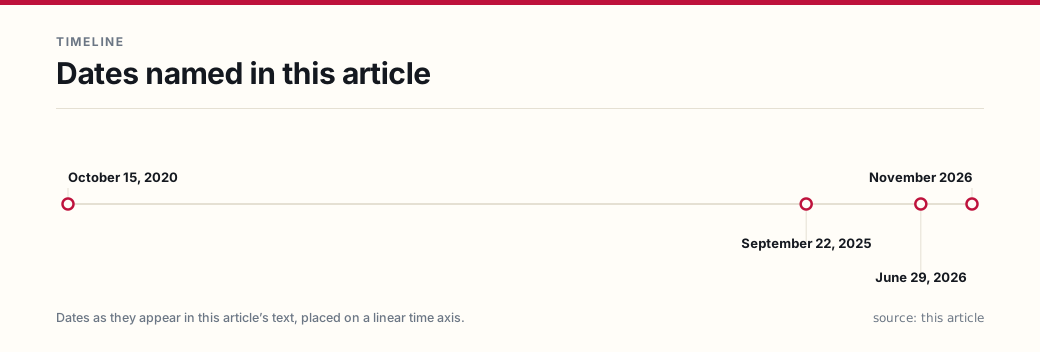
Ibuprofen. FDA warned on October 15, 2020 that NSAID use around 20 weeks of pregnancy or later can cause rare but serious kidney problems in the unborn baby, leading to low amniotic fluid; it recommended avoiding NSAIDs from 20 weeks, limiting use between 20 and 30 weeks to the lowest effective dose for the shortest time, and avoiding them after 30 weeks because of the risk of premature closure of the fetal ductus arteriosus. FDA reviewed 35 cases reported through 2017, all serious. The over-the-counter label now carries the sentence directly.
Acetaminophen. It has been the first-line over-the-counter option in pregnancy, and on September 22, 2025 FDA announced it had begun the process of changing acetaminophen labeling to reflect a possible association with neurological conditions including autism and ADHD — while stating in the same announcement that a causal relationship has not been established. That process runs through the over-the-counter monograph system, which requires a proposed order, a comment period and a final order. As of November 2026 no final order has issued and marketed labels are unchanged: the pregnancy sentence on the box still reads “If pregnant or breast-feeding, ask a health professional before use.”
The evidence has also moved in the other direction. A sibling-matched study published in JAMA Internal Medicine on June 29, 2026 followed 708,020 mother-child pairs in Hong Kong and compared siblings with discordant exposure — a design that controls for the family factors ordinary studies cannot separate. It found no association with autism (adjusted hazard ratio 1.00, 95% CI 0.91–1.11) or ADHD (1.01, 0.93–1.08), across timing, dose and pattern of use, while the conventional analysis in the same dataset did show the positive signal that earlier studies reported. Obstetric bodies, including the American College of Obstetricians and Gynecologists, objected publicly to the 2025 framing. None of that settles a question this article cannot settle — but it does mean a pregnant reader is looking at a label that has not changed and a warning that has been announced rather than enacted, and the decision belongs with the clinician who knows the pregnancy.
What about children?
The age floor is on the label, not in folklore. Infants’ Motrin’s dosing chart begins with “under 6 mos — ask a doctor,” and the package is labeled for ages 6 to 23 months. Children’s acetaminophen comes with its own weight-based chart, and MedlinePlus’s instruction is to dose by weight where you know it and by age where you do not — never to give an adult product to a child.
Two more rules that are not about choosing between the two:
- Aspirin is not the third option for a child. MedlinePlus is blunt: “This syndrome has occurred in children who were given aspirin when they had chickenpox or the flu,” and the prevention advice is “Never give a child aspirin unless told to do so by your child’s provider.” Reye syndrome is rare precisely because that advice is followed.
- Check the child’s other medicines. A cough-and-cold product may already contain acetaminophen or an NSAID, and the arithmetic for a 30-pound child is much less forgiving than for an adult.
What should you do at the shelf?
- Read the active ingredient line, not the brand. Generic and brand versions of the same drug have the same active ingredient and the same ceiling — the comparison is set out here.
- Write down the 24-hour total before the second dose, not after. For acetaminophen that means every product, including cold medicine and anything prescribed.
- Pick the drug your history allows, not the one the pain suggests, when the two disagree.
- Take the lower of the two ceilings when the box and FDA differ.
- Set the stop date. Ten days for pain, three for fever, in adults; past that the label itself sends you to a clinician.
This article explains what the US labels and federal guidance say about two over-the-counter drugs. It is general health information, not medical advice, and it cannot account for your conditions, your other medicines or your pregnancy. The labeling is national; the decision about you is not. Ask a pharmacist or clinician — and for a suspected overdose of either drug, call Poison Help at 1-800-222-1222.
Frequently asked questions
- Can you take ibuprofen and acetaminophen at the same time?
- Neither label provides for it. The ibuprofen label asks you to check with a doctor or pharmacist before use if you are "taking any other drug" and lists "take other drugs containing prescription or non-prescription NSAIDs" as a risk factor for stomach bleeding; the acetaminophen label goes further and says outright: "Do not use with any other drug containing acetaminophen (prescription or nonprescription)." Because acetaminophen is not an NSAID, taking the two together is not the same as doubling up — and one over-the-counter product, Motrin Dual Action with Tylenol, already combines 250 mg of acetaminophen with 125 mg of ibuprofen in a single tablet, dosed every 8 hours. But a combination dosed and labeled as a unit is a different thing from stacking two boxes at home, where the arithmetic and the two separate ceilings are yours to track. Ask a pharmacist or clinician before alternating them.
- Which is better for a headache, ibuprofen or acetaminophen?
- The labels do not answer that, because both list headache under the same "uses" sentence: "temporarily relieves minor aches and pains due to" a list that includes headache, toothache, backache, menstrual cramps, the common cold, muscular aches and minor arthritis pain. The labels differentiate on risk, not on indication. What tips the decision is your own risk profile — stomach or kidney history, a daily low-dose aspirin, pregnancy, alcohol use — and those questions are set out below.
- Is 4,000 mg of acetaminophen a day safe?
- It is a ceiling, not a target. FDA states that the maximum total amount of acetaminophen taken in 24 hours should not be more than 4,000 mg for adults and children 12 and older, and that figure counts every source — a prescription combination product, a cold medicine, and the tablet you took for a headache. The box in your hand may be stricter: Tylenol Extra Strength, at 500 mg per caplet, says not to take more than 6 caplets in 24 hours unless a doctor directs it, which is 3,000 mg. Take the lower number that applies to you.
- Should you take ibuprofen with food?
- The label says to take it with food or milk if stomach upset occurs — it does not require food every time. The reason to think about it is that ibuprofen is an NSAID, and the label's stomach bleeding warning lists the risk factors plainly: age 60 or older, a history of ulcers or bleeding problems, a blood thinner or steroid, other NSAIDs, and three or more alcoholic drinks a day.
- Is ibuprofen safe during pregnancy?
- Not at 20 weeks or later unless a clinician directs it. FDA warned on October 15, 2020, that NSAID use around 20 weeks of pregnancy or later can cause serious kidney problems in the unborn baby, leading to low amniotic fluid, and it recommended against use from 20 weeks; the over-the-counter label now says the same. Acetaminophen is the over-the-counter option that pregnancy guidance has treated as first-line, though FDA announced on September 22, 2025 that it had begun a process to revisit that labeling — see the pregnancy section below for where that stands.
Sources
Each source is a primary or official reference, checked before publication. Links open the original.
- Advil (ibuprofen) 200 mg tablet, coated — Drug Facts, DailyMed SPL published March 16, 2026 by Haleon US Holdings. The directions this article's ibuprofen arithmetic is built on: "adults and children 12 years and over: take 1 tablet every 4 to 6 hours while symptoms persist; if pain or fever does not respond to 1 tablet, 2 tablets may be used; do not exceed 6 tablets in 24 hours, unless directed by a doctor; children under 12 years: ask a doctor." Also the stomach bleeding warning and its risk factors (age 60 or older; stomach ulcers or bleeding problems; a blood thinning or steroid drug; other NSAIDs; 3 or more alcoholic drinks every day; more or longer than directed), the heart attack and stroke warning, the "ask a doctor before use if" list (high blood pressure, heart disease, liver cirrhosis, kidney disease, asthma, a stroke, a diuretic), "take with food or milk if stomach upset occurs," the stop-use triggers (pain worse or lasting more than 10 days; fever worse or lasting more than 3 days), and the pregnancy sentence: "It is especially important not to use ibuprofen at 20 weeks or later in pregnancy unless definitely directed to do so by a doctor" (dailymed.nlm.nih.gov, setid 1a665e64-9f30-be37-4a83-38789f1f1e89)
- Tylenol Extra Strength (acetaminophen) 500 mg caplet — Drug Facts, DailyMed SPL published July 1, 2026 by Kenvue Brands. The liver warning (severe liver damage may occur with more than 4,000 mg in 24 hours, with other drugs containing acetaminophen, or with 3 or more alcoholic drinks every day), the prohibition "Do not use with any other drug containing acetaminophen (prescription or nonprescription)," the warfarin caution, the allergy alert on severe skin reactions, and the directions: "take 2 caplets every 6 hours while symptoms last; do not take more than 6 caplets in 24 hours, unless directed by a doctor; do not use for more than 10 days unless directed by a doctor" (dailymed.nlm.nih.gov, setid 59773893-09a8-47a2-943a-e9ea9da4458a)
- Tylenol Regular Strength (acetaminophen) 325 mg tablet — Drug Facts, DailyMed SPL published May 28, 2026 by Kenvue Brands. Directions: "adults and children 12 years and over take 2 tablets every 4 to 6 hours while symptoms last; do not take more than 10 tablets in 24 hours, unless directed by a doctor"; children 6 years to under 12 years take 1 tablet every 4 to 6 hours, not more than 5 tablets in 24 hours; children under 6 years ask a doctor. This is the source of the 3,250 mg figure for the regular-strength product (dailymed.nlm.nih.gov, setid 1622f694-4d63-4c56-8737-fae31f0ecfb7)
- Infants' Motrin (ibuprofen) oral suspension 50 mg per 1.25 mL — Drug Facts, DailyMed SPL published July 1, 2026 by Kenvue Brands. The dosing chart's first row is "under 6 mos — ask a doctor," the package is labeled "For Ages 6 Mos. to 23 Mos.," and the directions are "if needed, repeat dose every 6-8 hours; do not use more than 4 times a day," with weight used in preference to age where possible (dailymed.nlm.nih.gov, setid c2302bfe-b367-4867-b803-29f066a42dc7)
- Motrin Dual Action with Tylenol (acetaminophen and ibuprofen) tablet — Drug Facts, DailyMed SPL published February 6, 2026 by Kenvue Brands. Each tablet contains acetaminophen 250 mg and ibuprofen 125 mg (NSAID); adults and children 12 and over take 2 tablets every 8 hours, with "do not take more than 6 tablets in 24 hours, unless directed by a doctor." Cited only for the existence and dosing of a labeled combination product, which is what makes the do-it-yourself version a different question (dailymed.nlm.nih.gov, setid f2ee9cf5-02b7-6612-e053-2995a90a90c4)
- U.S. Food and Drug Administration — Acetaminophen (drug class page). "The maximum total amount of acetaminophen taken in 24 hours should not be more than 4,000 mg for adults and children 12 years of age and older"; acetaminophen "is found in hundreds of over-the-counter and prescription drugs"; "Taking too much acetaminophen can cause liver failure and death"; severe liver damage may occur with three or more alcoholic drinks per day; do not use more than one acetaminophen-containing product at a time; Poison Help at 1-800-222-1222. Also the note that in 2024 FDA proposed adding a warning about severe skin reactions to OTC acetaminophen labeling (fda.gov/drugs/information-drug-class/acetaminophen)
- U.S. Food and Drug Administration — consumer update, "Don't Overuse Acetaminophen." "More than 600 medications — both prescription and nonprescription — contain acetaminophen," and "the current maximum recommended adult dose of acetaminophen is 4,000 milligrams per day for all medicines you might be taking." Also the warning that prescription labels may abbreviate the ingredient as APAP, Acetaminoph, Acetaminop, Acetamin or Acetam (fda.gov/consumers/consumer-updates/dont-double-acetaminophen)
- U.S. Food and Drug Administration — Drug Safety Communication, October 15, 2020: "FDA recommends avoiding use of NSAIDs in pregnancy at 20 weeks or later because they can result in low amniotic fluid." FDA recommended avoiding NSAIDs from 20 weeks, limiting use between 20 and 30 weeks to the lowest effective dose for the shortest duration, and avoiding them after 30 weeks because of premature closure of the fetal ductus arteriosus; 35 cases reported to FDA through 2017, all serious; the low 81 mg aspirin dose used for certain pregnancy conditions is an exception under a clinician's direction (fda.gov/safety/nonsteroidal-anti-inflammatory-drugs-nsaids-drug-safety-communication-avoid-use-nsaids-pregnancy-20)
- MedlinePlus (U.S. National Library of Medicine) — Acetaminophen, last revised October 15, 2025. Carries the notice that on September 22, 2025 FDA "issued a safety warning indicating that taking acetaminophen while pregnant may be associated with the development of neurological conditions such as Autism Spectrum Disorder (ASD) or Attention Hyperactivitiy Defecit Disorder (ADHD) in children," adding that "no evidence to date has been able to show that acetaminophen in pregnancy causes these disorders." Also: "do not take more than 4000 mg of acetaminophen per day from all sources"; do not take it if you drink three or more alcoholic drinks every day; stop and call a doctor if pain lasts more than 10 days or fever more than 3 days; and the class description — analgesics and antipyretics, which "works by changing the way the body senses pain and by cooling the body" (medlineplus.gov/druginfo/meds/a681004.html)
- MedlinePlus (U.S. National Library of Medicine) — Ibuprofen. The important warnings on heart attack and stroke, on ulcers and gastrointestinal bleeding (higher risk with long use, older age, poor health, smoking, heavy alcohol use, anticoagulants, aspirin, other NSAIDs, oral steroids, SSRIs and SNRIs), and the precaution that "ibuprofen may harm the fetus and cause problems with delivery if it is taken around 20 weeks or later during pregnancy"; also the instruction to tell a doctor about kidney disease, heart failure, asthma, lupus, or liver disease, and to discuss risks and benefits at age 75 or older (medlineplus.gov/druginfo/meds/a682159.html)
- National Institute of Diabetes and Digestive and Kidney Diseases (NIDDK) — "Keeping Kidneys Safe: Smart Choices about Medicines." NSAIDs "can damage your kidneys if you take them for a long time, or lead to acute kidney injury if you take them when you are dehydrated or your blood pressure is low"; people with chronic kidney disease, diabetes or high blood pressure, and people taking ACE inhibitors (generic names ending in -pril), ARBs (-sartan) or a diuretic, should plan ahead for sick days; the page names ibuprofen and naproxen as NSAIDs and points readers to the Drug Facts label (niddk.nih.gov/health-information/kidney-disease/keeping-kidneys-safe)
- Luo S, Wan EYF, Tanuseputro P, Wong ICK, et al. "Prenatal Acetaminophen (Paracetamol) Use and the Risk of Autism and/or Attention-Deficit/Hyperactivity Disorder Among Sibling-Matched Cohorts." JAMA Internal Medicine, published online June 29, 2026 (DOI 10.1001/jamainternmed.2026.2215). From 708,020 mother-child pairs in Hong Kong (about 43.3% with prenatal exposure), sibling-matched cohorts of 124,333 children for ASD and 97,285 for ADHD: adjusted hazard ratio 1.00 (95% CI 0.91-1.11) for ASD and 1.01 (0.93-1.08) for ADHD, consistent across timing, cumulative dose and pattern of use, while conventional cohort analyses showed positive associations that the authors attribute to residual familial confounding (jamanetwork.com/journals/jamainternalmedicine/article-abstract/2850975)
- MedlinePlus Medical Encyclopedia — Reye syndrome, reviewed July 16, 2024. "This syndrome has occurred in children who were given aspirin when they had chickenpox or the flu"; prevention is "Never give a child aspirin unless told to do so by your child's provider," and salicylate-containing products such as bismuth subsalicylate should not be given to a child with a cold or fever (medlineplus.gov/ency/article/001565.htm)
- 21 CFR 201.326 — over-the-counter drug products containing internal analgesic/antipyretic active ingredients; required warnings and other labeling. The rule that puts the liver warning, the stomach-bleeding warning, the "(NSAID)" statement of identity and the duplicate-use prohibition on these boxes in the first place; its text is set out in this site's companion article on [duplicate active ingredients](https://health.omc.center/duplicate-active-ingredient/) (ecfr.gov/current/title-21/section-201.326)